

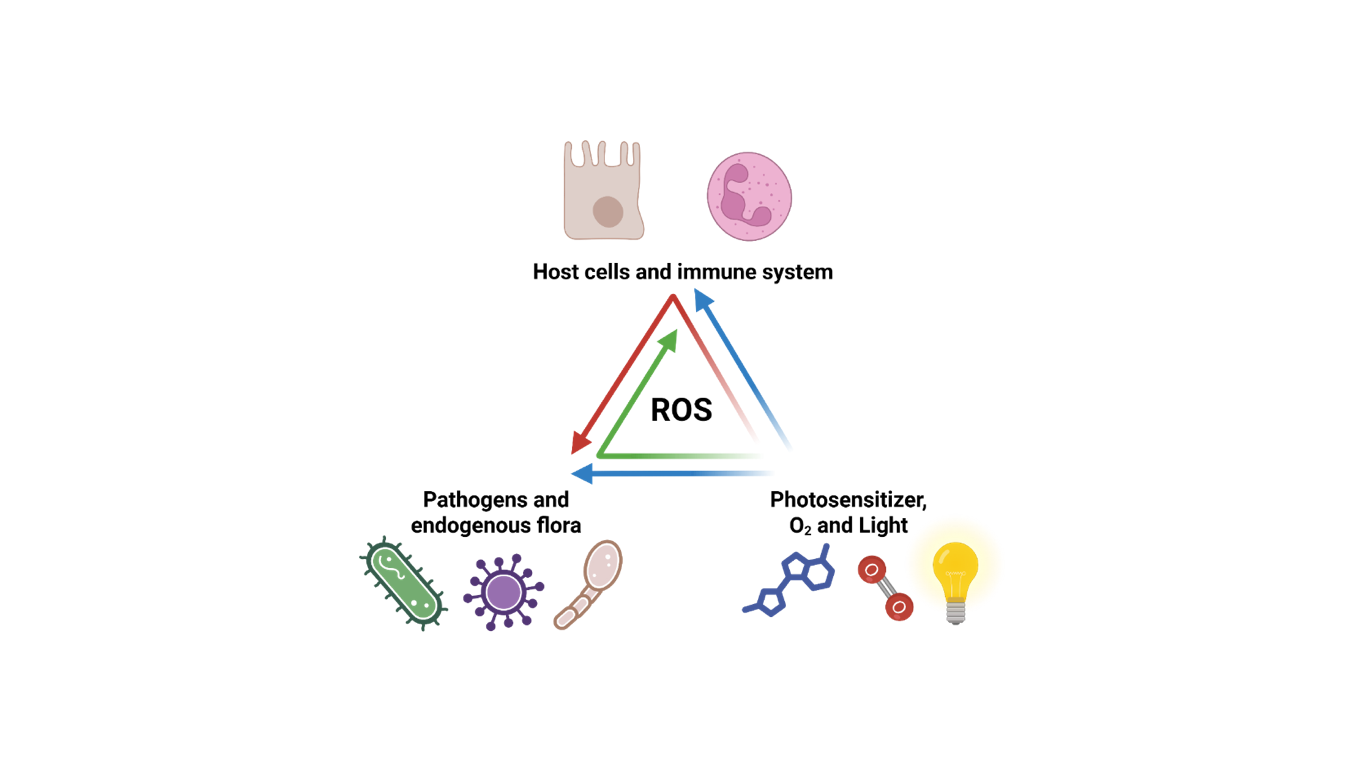
Antimicrobial photodynamic therapy (aPDT) can act not only on microbial pathogens, but also on host cells and components of the immune system. This review synthesizes the current literature on the direct and indirect outcomes of aPDT, highlighting its therapeutic potential alongside potential unintended or deleterious effects. Key aspects include microbial adaptation and resistance development, modulation of pathogen virulence, immunological responses, alterations in the host microbiota, and interactions that affect the efficacy of other antimicrobial agents. A comprehensive understanding of these mechanisms is crucial for refining the clinical and experimental use of photodynamic therapy (Figure created with BioRender.com).