

TWO PILOT SITES
SED'UP is structured around two complementary pilot challenges
Pilot sites aim to test sediment reuse solutions under real-life conditions in order to identify the most suitable applications for each territory. By moving beyond laboratory studies, they help assess technical feasibility, operational constraints, and local demand.
They also contribute to structuring a local ecosystem by bringing together public authorities, researchers, and private stakeholders. Through these experiments, pilot sites help initiate value chains, support innovation, and lay the groundwork for long-term, territorially adapted sediment reuse solutions.
Overview
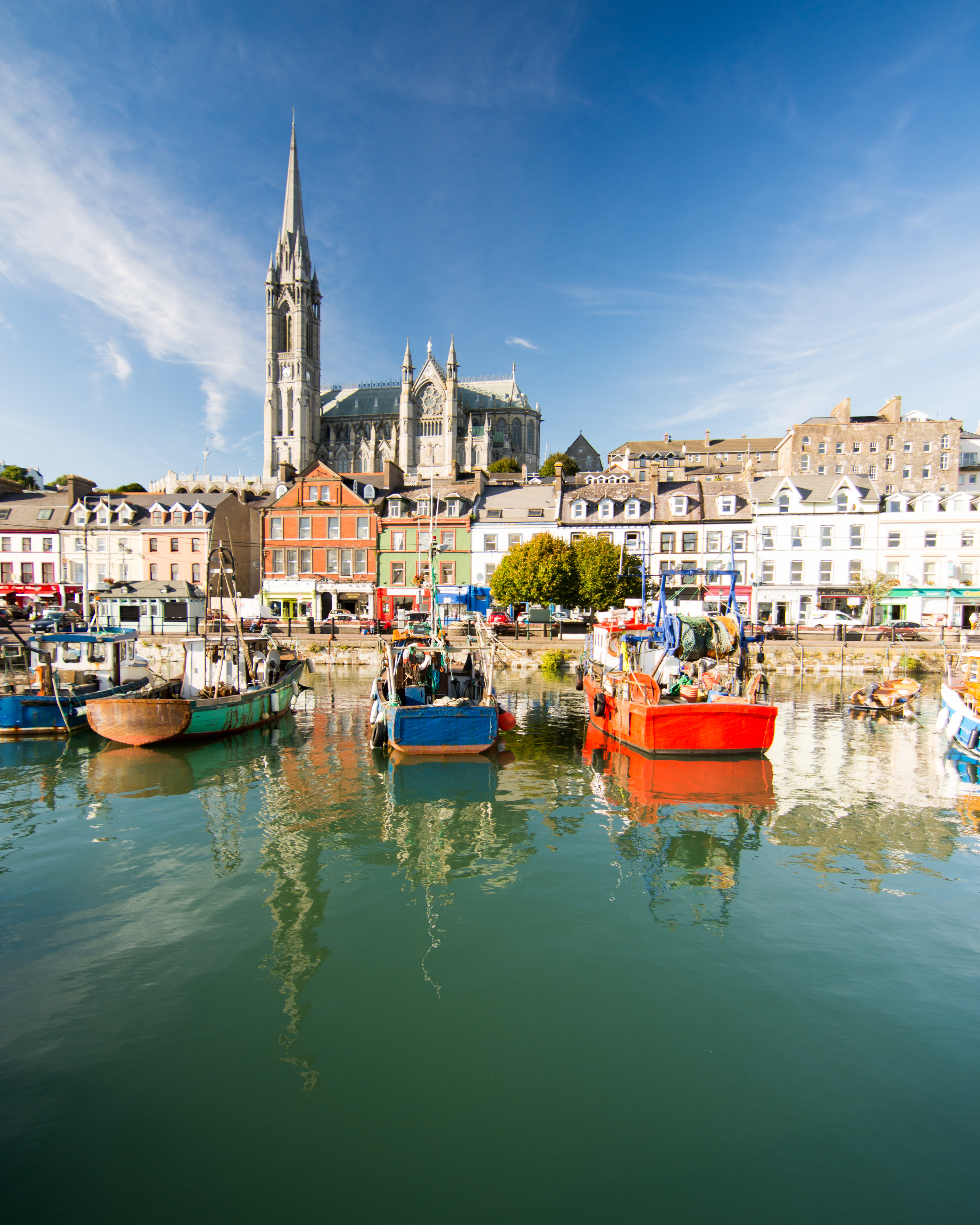
The Port of Cork is located in the south of Ireland, in County Cork, within one of the world’s largest natural harbours. It is a significant tidal port characterised by a long estuarine system extending from the Atlantic Ocean through Cork Harbour and up the River Lee. The port supports a wide range of activities including commercial shipping, ferry services, fishing, cruise tourism, and leisure boating.
The port is owned and managed by the Port of Cork Company, the commercial state-owned authority responsible for its operation and development. Due to its estuarine morphology and ongoing sediment transport within Cork Harbour and the River Lee, regular maintenance dredging is required to maintain navigational safety and adequate depths for commercial vessels.
Sediment management
Maintenance dredging operations in the Port of Cork are carried out every three years, with approximately 400,000 m³ of sediment removed during each cycle. Around one-third of the dredged material comes from the Ringaskiddy basin, another third from areas such as Blackrock and Tivoli, and the remainder from the main navigation channels.
The dredged sediment is mainly discharged into the sea at approved offshore disposal sites. This management approach takes into account both the large volumes involved and the operational need to maintain navigation in several areas of the port. In recent years, the Port of Cork has shown interest in the future possibility of identifying viable land-based management options and beneficial reuse pathways for dredged sediments.
Objective of participation in SED UP
For the Port of Cork, participation in the Sed’Up project represents an opportunity to reflect on locally adapted alternatives to at-sea disposal and support future licensing processes. The port is particularly interested in identifying viable reuse pathways for sediments that are currently dumped, documenting robust end‑to‑end use cases, exploring potential new application sectors, and strengthening stakeholder engagement around sustainable sediment management.
Overview
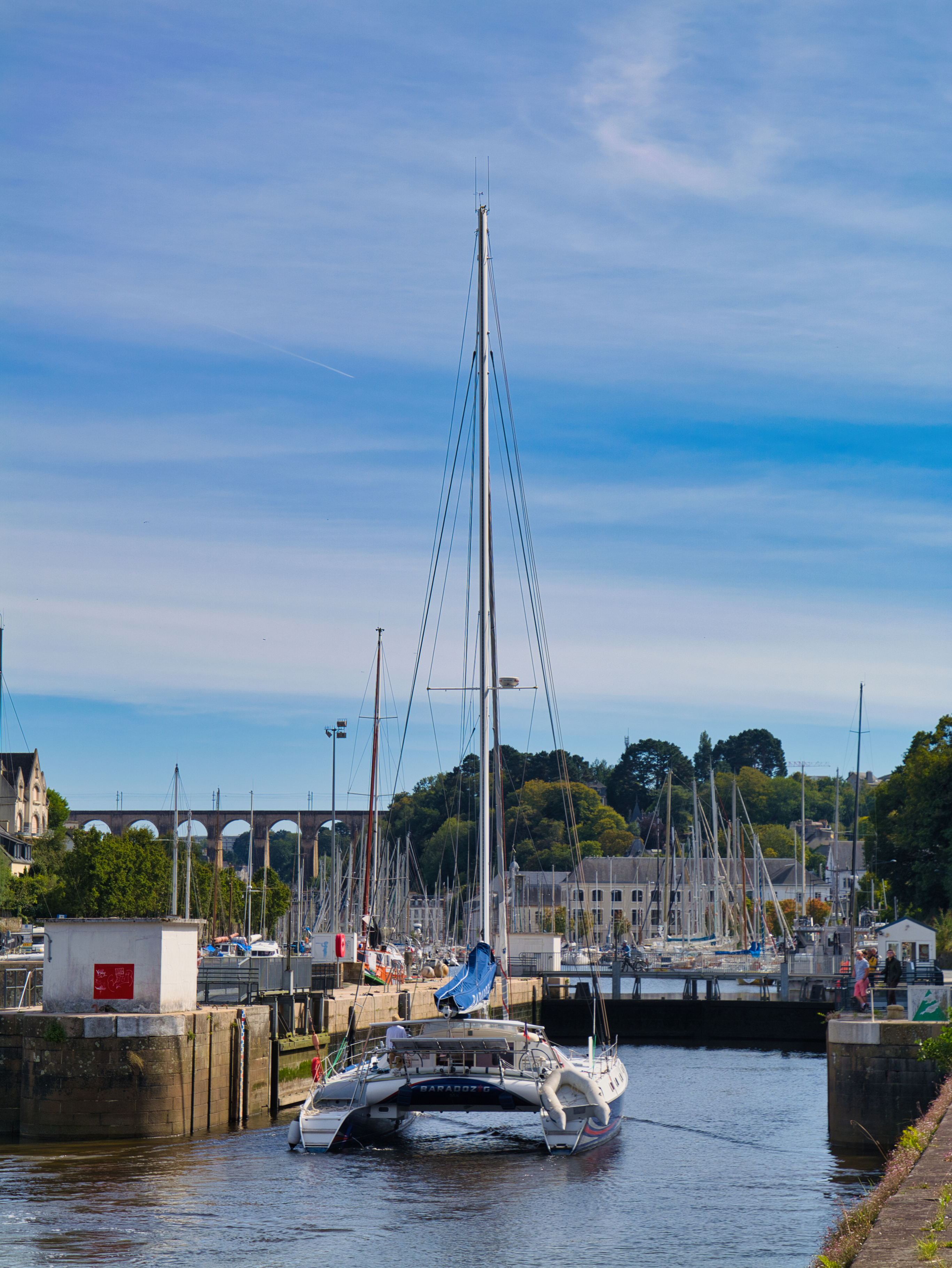
The Port of Morlaix is located in the north-west of France, in the Brittany region, within the sheltered Morlaix Bay. It is a medium-sized tidal port characterised by its estuarine setting. The port accommodates a mix of activities, including leisure boating, fishing, and some commercial operations.
The port is owned and managed by Morlaix Communauté, the local intermunicipal authority. Due to natural sedimentation processes typical of estuarine environments, the port requires regular maintenance dredging to ensure safe navigation and adequate water depth. Since 2010, dredging operations have been carried out every two years.
Sediment management
The dredged sediments are not disposed of at sea; instead, they are stored on land at a dedicated site owned by Morlaix Communauté.
In recent years, Morlaix Communauté has undertaken several experimental initiatives to better understand and manage these sediments, notably a Call for Expressions of Interest (AMI – Appel à Manifestation d’Intérêt), launched to identify innovative and sustainable uses for the dredged materials.
Objective of participation in SED UP
Building on these efforts, the strategic objective of Morlaix Communauté is now to develop sustainable and economically viable valorisation channels for its dredged sediments. This involves moving from experimental phases to operational solutions, in line with circular economy principles and environmental regulations.